


"A household located in the northern part of London is looking for an remarkable and qualified tutor to support their most junior child on his initial journey to becoming an British gentleman."
Upon seeing this listing, you might naturally miss the phrase "beginning" as just figurative language.
However, it might be the most important aspect of this distinctive job advert, as it seeks to hire a tutor for a infant.
Hundreds of submissions have already been received since the unidentified family published their call for the highly paid tutor, who has to be "someone very special".
During the past few weeks, the post has gained interest in the news, with many asking why?
Forward-Thinking Method
The CEO, CEO and founder of a global tutoring firm, which is supporting the family in their quest, stated that despite initial doubt, he considered the idea "forward-looking", and "innovative".
When he spoke with the family, he mentioned they understood the unusual character of their request, and how young their son is.
Nevertheless, they clarified that they "were unwilling to delay any longer" to hire a tutor, as they had postponed until their older child was five, and by that age "cultural conditioning had already set in".
What exactly does the family refer to by "cultural leaning"?
It's "comprehensive", Adam responded. "How you eat, how you speak".
He explained the elder child had absorbed "really subtle, body language" from the family, and had assumed their cultural habits. The family informed Adam they did not want history to happen again with their new baby.
The plan: To engage a UK tutor, who must speak with Received Pronunciation, to guide the baby right from the beginning.

Osmotic Learning
"A great deal of the development at the start here is rather acquired indirectly," said the expert.
It's by means of this subtle influence that the family are aiming the child will adopt the British traits they wish to cultivate.
Adam explained the tutor must be an individual who studied at "the appropriate educational institutions – the same kinds of schools as the family hope to send their son to".
"The tutor must be the suitable individual, they'll be carrying out things they may not realize they're doing, simply by nature," he added.
Expense Not a Factor
The family explained to him the chosen tutor should ideally also have knowledge of or interest in riding, winter sports, creative fields and instrumental training so as to inspire the child in a diverse set of passions.
Additionally though, he stated the family hoped the tutor to sign up the child on a selection of lessons so the child would be "pony-riding and learning an instrument by the time they are about three years old".
In the family's minds, guiding their son grow into a "British gentleman" will bring about achievement and provide access.
"Considering the advantages and disadvantages of that, because it's undoubtedly a status symbol," he notes.
However, notwithstanding all this guidance in "UK identity", would the child absorb what is termed cultural influence from the globally influenced family he lives with anyway?
"Yes", answered the CEO. "They realize this may not work, but they've simply adopted the perspective of, 'why not attempt it and we'll proceed as quickly as we can', because the expense of it is not relevant," he explained.
Impractical
A number of in the tutoring industry who express similar reservations.
Another CEO, head and founder of an educational organization, who supplies individual instructors, stated that "the journey of adopting dual cultures, or actually, forming one's identity, is something that must be lived into, not designed."
Peter explained that he had relocated from China to the UK at the period of childhood, and had been raised knowing and living two backgrounds. He progressed to study at a prestigious UK institution.
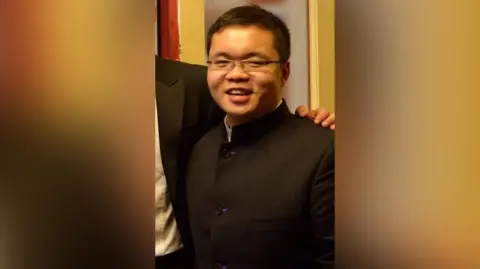
"The concept that an individual can act as a living vessel of Britishness, someone who can possibly impart the qualities of a British gentleman onto a 12-month-old child, seems to me optimistic and unrealistic," he stated.
"From my perspective, having a typically English tutor from babyhood will will not instantly create the result they hope for.
"I wasn't provided with such a figure, and nevertheless I have been lucky enough to live several of the experiences they aspire for their son."
He stated: "The truth is, personal identity can not be forced from the outside; it must be embraced, and it must be internally driven."
Acquiring Englishness
Certainly, Britishness is something the CEO hopes can be instructed – and sold.
"I think the fact that the international society views us in this respect is something that we should be cherishing|valuing|appreciating


